In an era dominated by fast-paced itineraries and the rush to tick off bucket-list destinations, the concept of slow travel offers a refreshing and immersive approach to exploring the world. Instead of racing from one landmark to another, slow travel invites you to linger longer, dive deeper, and truly savor the essence of a place.
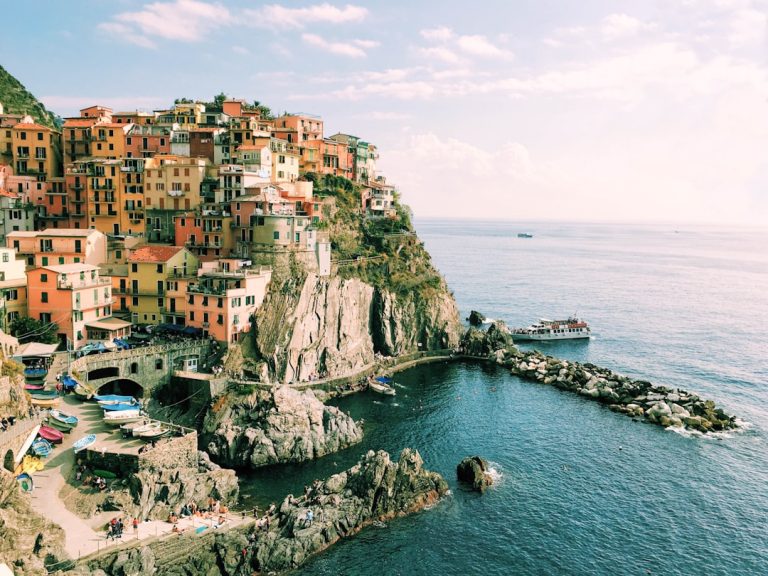
Imagine waking up in a quaint Italian village where time seems to have stood still. The morning begins not with a rushed checklist but with a leisurely stroll through cobblestone streets, savoring the aroma of freshly brewed espresso. You engage in conversations with locals, learn about their lives, and perhaps even pick up a few phrases in the native tongue.
Slow travel emphasizes the journey as much as the destination. It’s about choosing to travel by train, bike, or foot rather than opting for the quickest flight. This choice allows you to experience the changing landscapes, the subtle shifts in culture, and the unexpected encounters that become cherished memories.
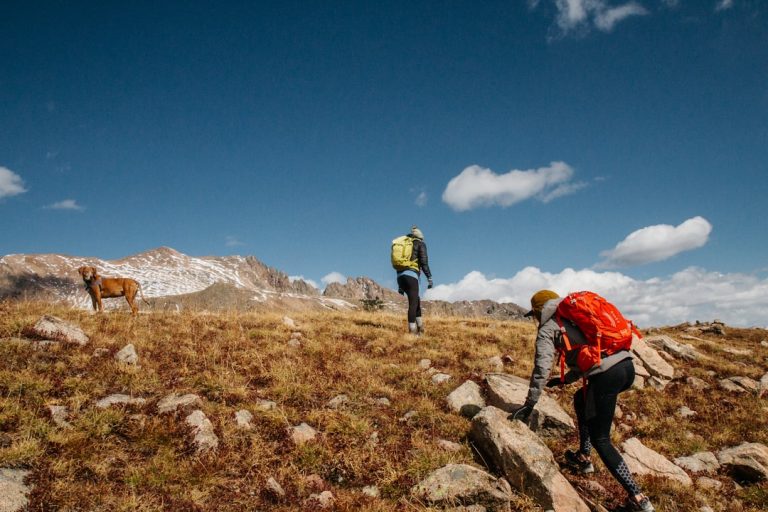
One of the profound benefits of slow travel is the opportunity to connect with the local environment. Whether it’s hiking through the lush green trails of a national park or kayaking along a tranquil river, immersing yourself in nature allows you to appreciate its beauty and fragility. It’s a gentle reminder of the importance of preserving these landscapes for future generations.
Economically, slow travel often proves to be more sustainable. By staying longer in one place, travelers can opt for local accommodations like guesthouses or Airbnb rentals, supporting small businesses rather than large hotel chains. Dining at family-run restaurants and shopping at local markets not only enriches the experience but also contributes positively to the local economy.
Socially, slow travel fosters genuine connections. By spending more time in one location, travelers have the chance to build relationships with residents, gaining insights into their way of life and possibly forming lifelong friendships. It’s an enriching exchange that goes beyond the superficial, offering a more authentic perspective on a different culture.
For those concerned about the environmental impact of travel, slow travel offers an eco-friendly alternative. By minimizing the number of flights and opting for greener modes of transportation, travelers can significantly reduce their carbon footprint. Moreover, staying longer in one place often means consuming less energy and producing less waste.
In conclusion, slow travel is not just a method of exploration; it’s a mindset. It encourages us to be present, to engage fully with our surroundings, and to value experiences over destinations. As the world becomes increasingly interconnected, taking the time to slow down and appreciate the journey can transform travel from a checklist of places to visit into a series of meaningful experiences that leave a lasting impact. So, the next time you plan a trip, consider slowing down, staying a little longer, and discovering the hidden treasures that await.